Environmentally Safe Waste Disposal
by Admin
Posted on 25-11-2025 02:13 PM

Understanding Environmentally Safe Waste Disposal
Environmentally safe waste disposal refers to methods of managing waste in ways that minimize harm to the environment, human health, and natural resources. Unlike conventional disposal systems that often lead to soil contamination, air pollution, and greenhouse gas emissions, eco-friendly waste management prioritizes reduction, reuse, recycling, and safe treatment.
The goal is not just to dispose of waste but to manage it in a way that supports a circular economy where materials are reused, recycled, or repurposed instead of being discarded. This includes diverting waste from landfills, reducing reliance on single-use materials, and employing technologies that safely process hazardous and organic waste.
Key Methods of Eco-Friendly Waste Disposal
Recycling and Composting
Recycling is one of the most effective ways to reduce waste and conserve resources. Materials like paper, glass, metals, and certain plastics can be processed and turned into new products, reducing the need for raw material extraction. When done correctly, recycling significantly lowers energy consumption and carbon emissions.
Composting, on the other hand, focuses on organic waste such as food scraps, yard trimmings, and paper products. Instead of rotting in landfills and emitting methane a potent greenhouse gas organic waste can be transformed into nutrient-rich compost used to enrich soil. Home composting and community composting programs are excellent ways to keep organic materials out of landfills.
Waste-to-Energy Technologies
Waste-to-energy (WTE) technologies offer a sustainable alternative to traditional landfilling by converting non-recyclable waste into usable energy such as electricity or heat. Modern WTE plants use controlled combustion or advanced processes like gasification and pyrolysis to reduce waste volume and generate power.
These systems are designed with emission controls to minimize air pollution, and they can significantly reduce the amount of waste that ends up in landfills. While not a substitute for recycling, WTE is a valuable tool in managing residual waste while recovering energy.
Proper Disposal of Hazardous Waste
Hazardous waste such as batteries, paints, pesticides, and electronic devices requires special handling to prevent soil and water contamination. Improper disposal of these materials can lead to long-term environmental damage and health risks.
Many communities offer hazardous waste collection days or permanent drop-off facilities where residents can safely dispose of such items. Recycling programs for electronics (e-waste) and batteries are also expanding, allowing valuable materials to be recovered and reused while preventing toxic substances from entering ecosystems.
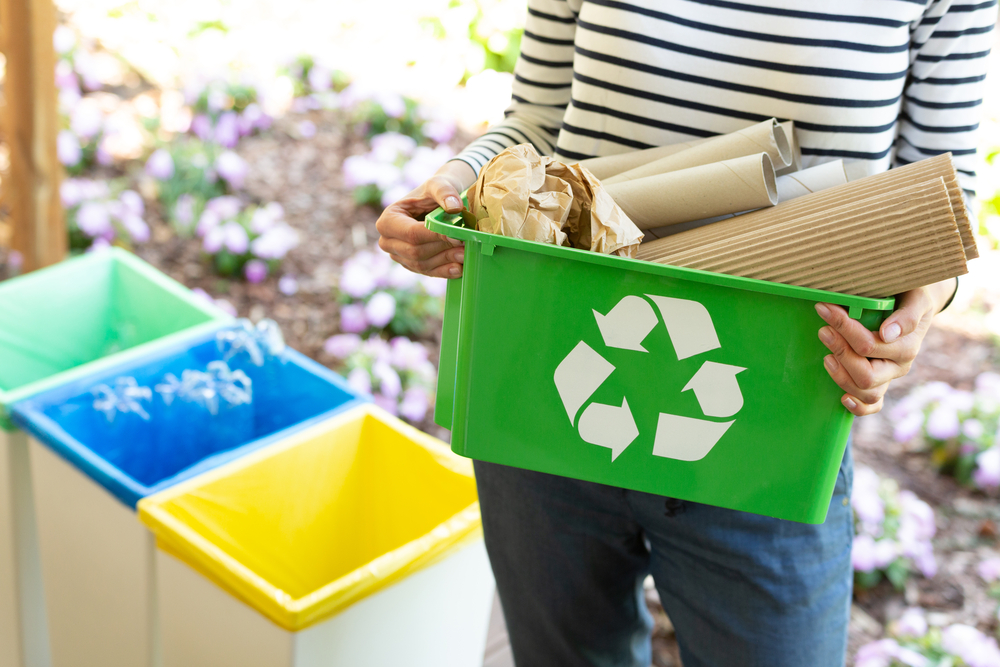
Benefits of Environmentally Safe Waste Disposal
Environmental Protection
Safe waste disposal practices protect air, water, and soil quality. Landfills without proper liners and gas capture systems can leak harmful chemicals into groundwater and release methane into the atmosphere. By reducing landfill use and employing cleaner disposal technologies, we can prevent pollution and preserve natural habitats.
Additionally, reducing the need for raw material extraction through recycling helps conserve forests, minerals, and fossil fuels critical steps in mitigating climate change and biodiversity loss.
Public Health and Safety
Exposure to improperly managed waste can lead to respiratory problems, waterborne diseases, and other health issues, particularly in communities near landfills or incinerators. Environmentally safe disposal methods reduce these risks by containing pollutants, controlling emissions, and preventing contamination of drinking water sources.
Communities that adopt comprehensive waste management programs often report improved public health outcomes and enhanced quality of life.
Economic Opportunities
Green waste management also opens doors for economic growth. Recycling and composting industries create jobs in collection, processing, and manufacturing. Innovations in waste-to-energy and biodegradable materials drive technological advancement and attract investment in sustainable infrastructure.
Moreover, businesses that adopt zero-waste goals often reduce operational costs and improve their environmental reputation, gaining favor with eco-conscious consumers.
Challenges and How to Overcome Them
Despite the benefits, several challenges hinder widespread adoption of environmentally safe waste disposal. These include lack of public awareness, inadequate infrastructure, and inconsistent regulations across regions.
Education and outreach are key to changing behaviors. Governments, schools, and organizations can promote waste reduction through campaigns, workshops, and incentives. Expanding access to recycling bins, composting facilities, and drop-off centers makes it easier for people to do the right thing. For practical examples of how communities can implement these solutions, check out this guide on https://quickclearo.com/blog/sustainable-disposal/efficient-waste-removal-in-sydney.
Policy support is also essential. Governments can implement extended producer responsibility (EPR) laws, which require manufacturers to take back and manage their products at end-of-life. Tax incentives for recycling and penalties for illegal dumping can further encourage responsible practices.
Community and Individual Roles
Sustainable waste management is not just the responsibility of governments and corporations it starts at the individual level. Simple actions like separating recyclables, avoiding single-use plastics, and composting kitchen waste can make a significant difference when adopted widely.
Communities can organize clean-up drives, create neighborhood composting hubs, or advocate for better waste policies. Schools and workplaces can introduce green initiatives that foster a culture of sustainability.
FAQs
What is the most environmentally friendly way to dispose of household waste?
The most eco-friendly method is to reduce waste at the source, reuse items when possible, recycle properly, and compost organic waste. Hazardous materials should be taken to designated disposal centers.
Can all plastics be recycled?
No, not all plastics are recyclable. Plastics are labeled with resin codes (1-7), and local recycling programs accept different types. Check with your local facility to know which plastics you can recycle.
How does composting help the environment?
Composting reduces methane emissions from landfills, enriches soil, reduces the need for chemical fertilizers, and helps retain moisture in the ground.
What happens to waste in a landfill?
In landfills, waste is buried and compacted. Over time, organic matter decomposes and produces methane and leachate, which can pollute air and water if not managed properly.
Is incineration a safe method of waste disposal?
Modern incineration with strict emission controls can be safe and is used in waste-to-energy plants. However, it should complement not replace recycling and waste reduction efforts.
How can I reduce my household waste?
You can reduce waste by buying in bulk, choosing products with minimal packaging, using reusable bags and containers, repairing items instead of replacing them, and donating unused goods.